
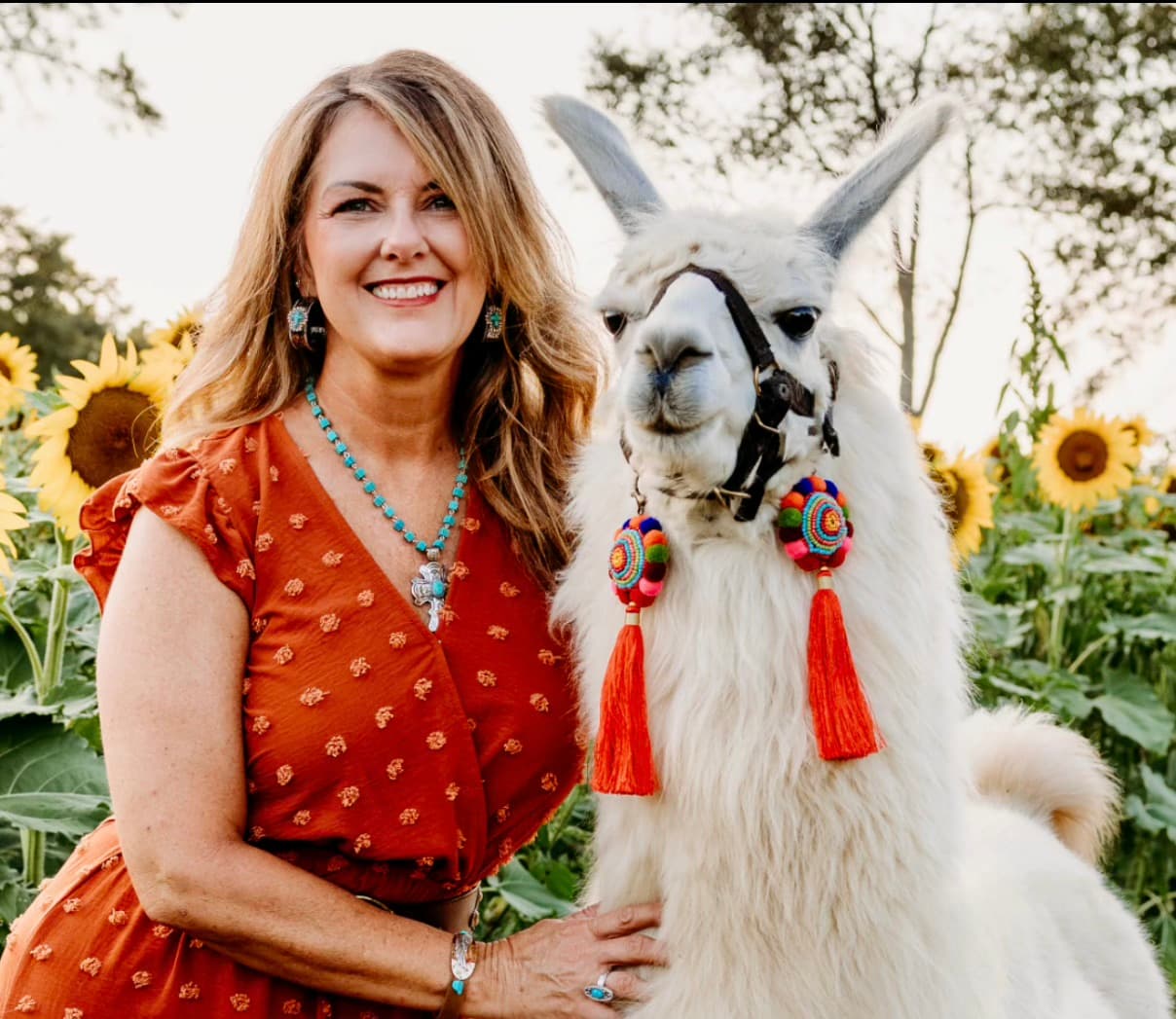
The willow tree is still there.
Michele Hornsby will show it to you if you ask. She doesn't make you ask twice. The spot where they found Justin is shaded now, and the branches hang the way willow branches do — like they're listening for something they've already heard.
Justin Hornsby was twenty-six years old when he died by suicide on March 21, 2017, on the same thirty-eight acres where his parents still live, on Lenlock Lane in Anniston.
His last words to Michele: I'm going to take a walk. I love you.
Before that, they'd spent more than a decade trying to bring him back from whatever had its hands on him. Drug addiction. Louisiana. First-degree burns on his neck and his arms and his torso that sent them driving across state lines. He came home. Detoxed. Was doing well for a time. Then he wasn't.
You know how these stories go. You've probably lived some version of one.
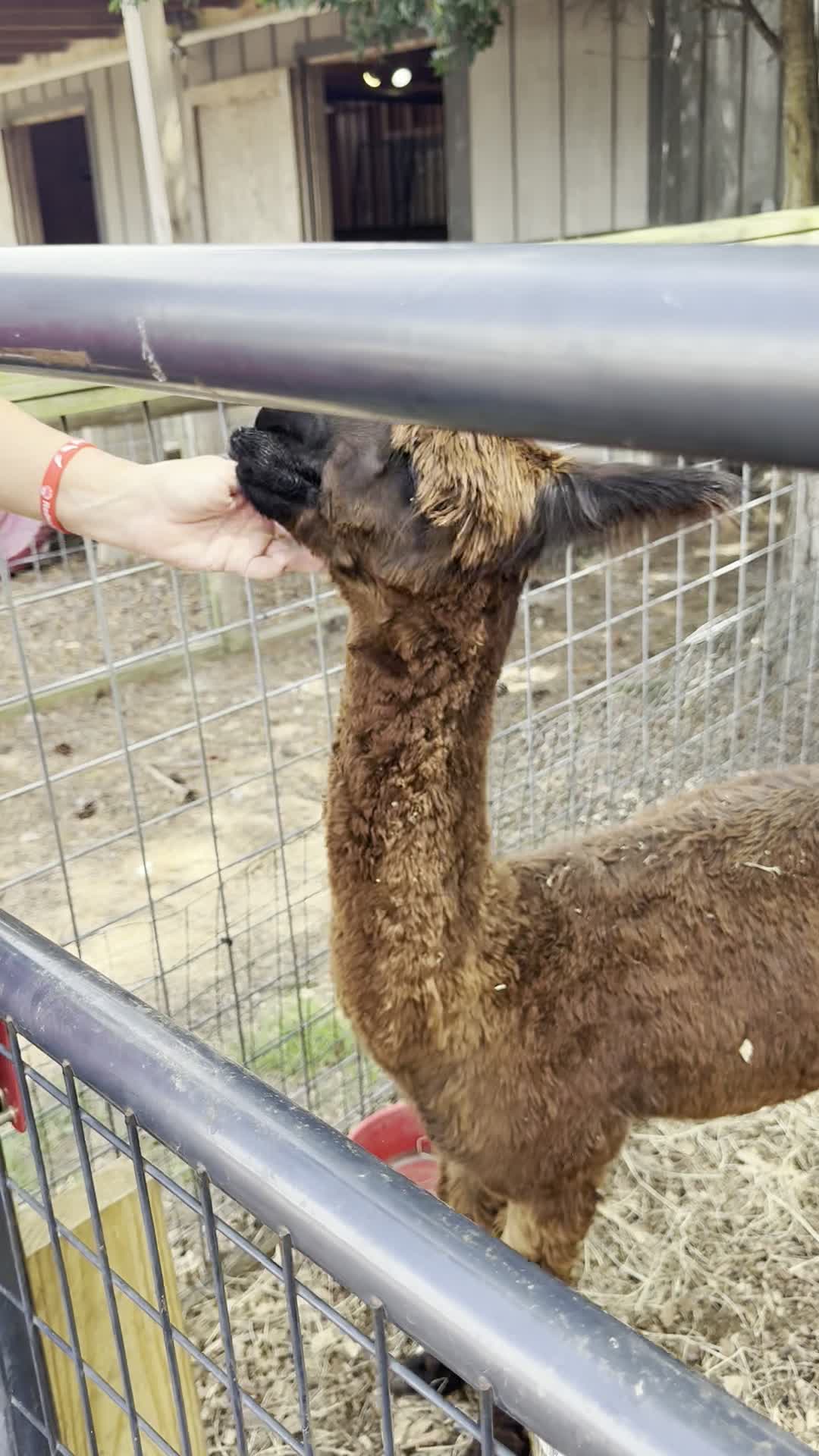
After Justin died, Ray Hornsby told Michele they ought to get some goats. Clear the back land. Give her something to do with her hands. This is how some men say I love you and I don't know what else to do in the same breath. She agreed.
It was 2020. COVID. She found seven little pygmy goats on a farm she described, without hesitation, as "a dump." She got them anyway. Then more animals. Then they drove all the way to Oklahoma to buy a llama.
The llama was already named Justine.
Michele took that as a sign. I believe her. Some things don't need to be argued. They need to be received.
The llama was already named Justine. Some things don't need to be argued. They need to be received.
They named the farm after two things: the willow tree Michele planted where they found their son, and the redbirds that started showing up in its branches after he was gone. In the rural South, a redbird after a death means something. Ask anyone who's lost someone and they'll tell you.
Redbird Willow Farm opened in 2020. USDA licensed, 501(c)3 nonprofit. There are 120 animals on this land now — alpacas, llamas, ponies, goats, rabbits, emus, Highland cattle, miniature horses, miniature donkeys, Valais blacknose sheep, peacocks, hedgehogs, a tortoise, a capybara, kangaroos. Michele keeps six rescue cats in honor of Justin, who loved cats. There is a joey named Kevin, bottle-fed, living in Michele's house, named after another grieving mother's son who also died. There is a raccoon named Jeffrey — short spine syndrome, all over the internet — living there too.
Justine the llama arrived pregnant from Oklahoma. She gave birth near the spot where Justin was found, on International Bereaved Mothers Day. This past spring, another baby was born on the farm — May 4th, the newest llama, still figuring out its name.
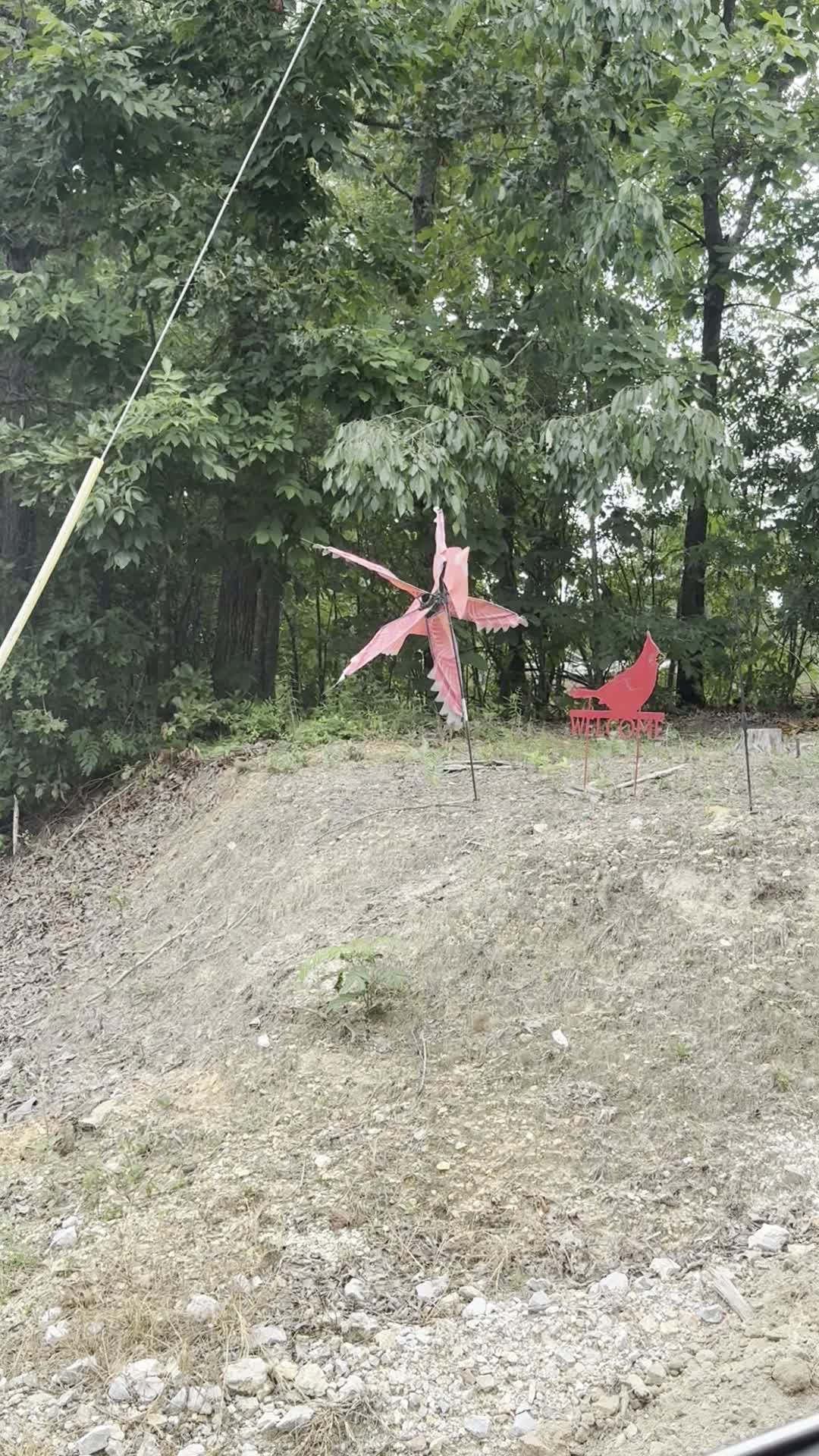
Ray erected a thirty-foot cross at the highest point on the property. It's visible from the road. Michele runs goat yoga and llama walks and farm tours and birthday parties and grief groups and comfort visits to nursing homes and work with veterans and addiction recovery groups. Llamapalooza — their annual spring event — draws hundreds of people. The Calhoun County Commission honored them. CNN drove down from somewhere and filmed it.
None of that is why the farm exists.
The farm exists because Ray and Michele chose not to leave the land where their son died. Everything else follows from that one decision.
In March 2026, a three-year-old Suri alpaca named Chappy was stolen off the property. Michele said: "This isn't just a loss for us — it's a loss for the community. These animals are part of how we help people hold on, especially in their hardest moments." That sentence tells you what kind of farm this is. Chappy wasn't livestock. He was somebody's reason to come back the following week.
I first met Michele at Oxfordfest. Our tents were next to each other. It was our first year farming — Heather and I were selling pumpkin bouquets and wrapped flowers and whatever else we had managed to pull out of the ground that fall. Michele was already deep into the farm by then, already carrying the story of Justin, already building the thing. We talked between customers. You learn a lot from the person whose tent is next to yours.
I drove out to Lenlock Lane this July to talk to her about a bridal event I'm putting together in October. I had a pitch on my phone. I wanted to talk vendor booths and farm partnerships.
I already knew most of her story. What I didn't know was what I was going to say about it.
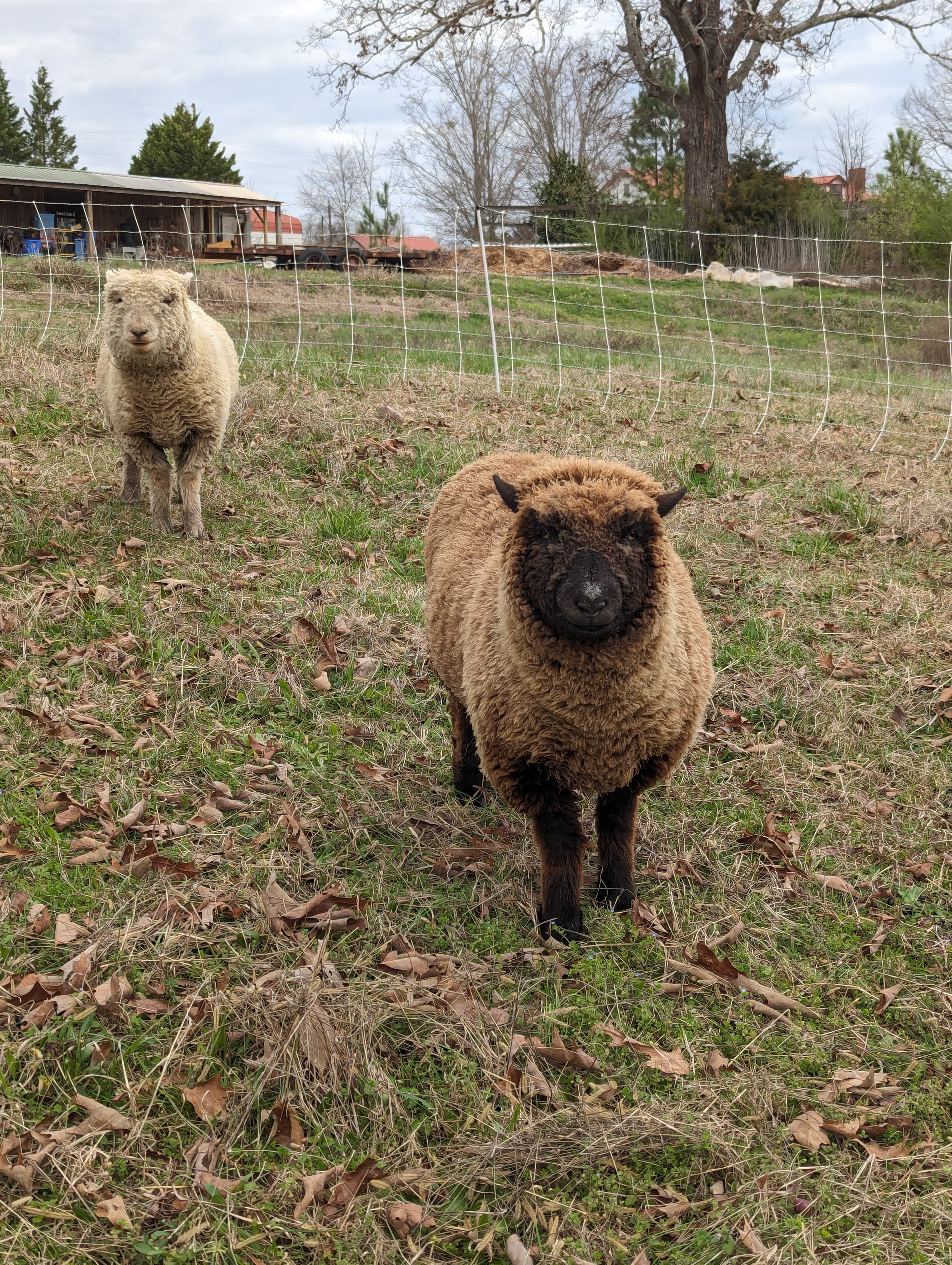
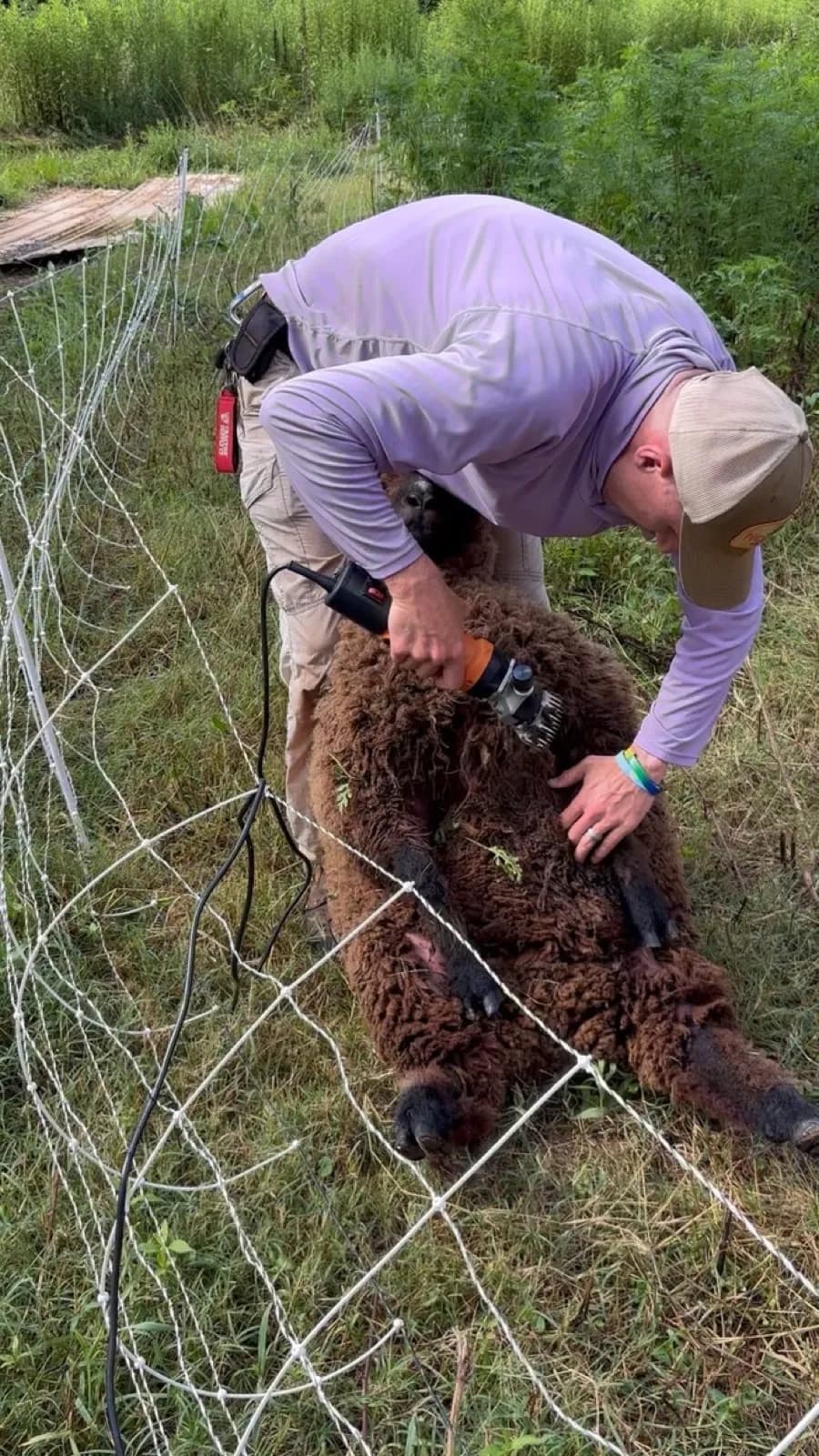
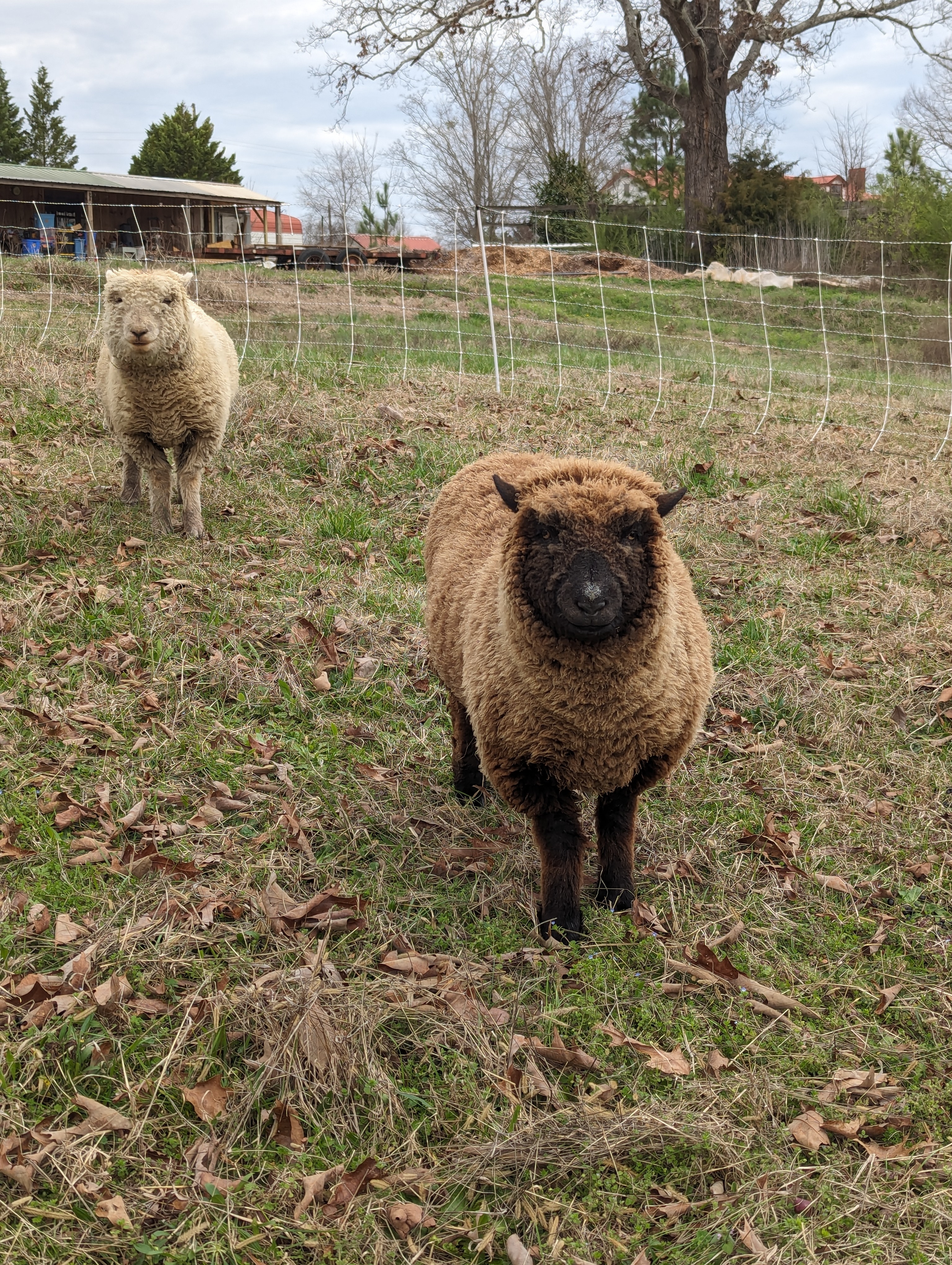
Heather and I grew dahlias and zinnias and whatever else would cooperate with Calhoun County clay from 2021 to 2025. We also kept sheep — two babydoll sheep named Silver and Shadow. The kids named them after Sonic the Hedgehog characters. I lost the farm during a manic episode. When we had to let them go, we called Michele. She took them. She always has room for one more.
Shadow was bleeding from an infection the day we surrendered them. Michele took him straight to the vet. She gave us updates — frequently, without being asked. She didn't have to do that. She knew we needed to know.
Silver and Shadow are at Redbird Willow Farm now. They are doing great.
I know what it is to watch something you planted disappear. What Michele and Ray lost was not a business.
We've always believed you should run toward the things that are most frightening, to manage them and heal in as healthy a way as you can. — Michele Hornsby
And they stayed. They got the goats. They drove to Oklahoma. They accepted the llama that already had his name. Michele told me: We've always believed you should run toward the things that are most frightening, to manage them and heal in as healthy a way as you can.
That's not a philosophy. That's a thing you do with your body when you don't have any other options.
The animals at Redbird Willow Farm will let you get close. That's the thing that surprises people. There is something in being allowed near a creature that doesn't know your name or your year or what you lost. The goat doesn't need anything from you. The emu just looks at you.
Carrie Sexton came to the farm after her son died by suicide. She comes back, periodically, because of what the animals do for her. She said it simply: It's amazing how an emu can help you have a much better day.
That might be the most honest thing I've heard about grief in a long time.
It's amazing how an emu can help you have a much better day. — Carrie Sexton
Redbird Willow Farm — July 2026
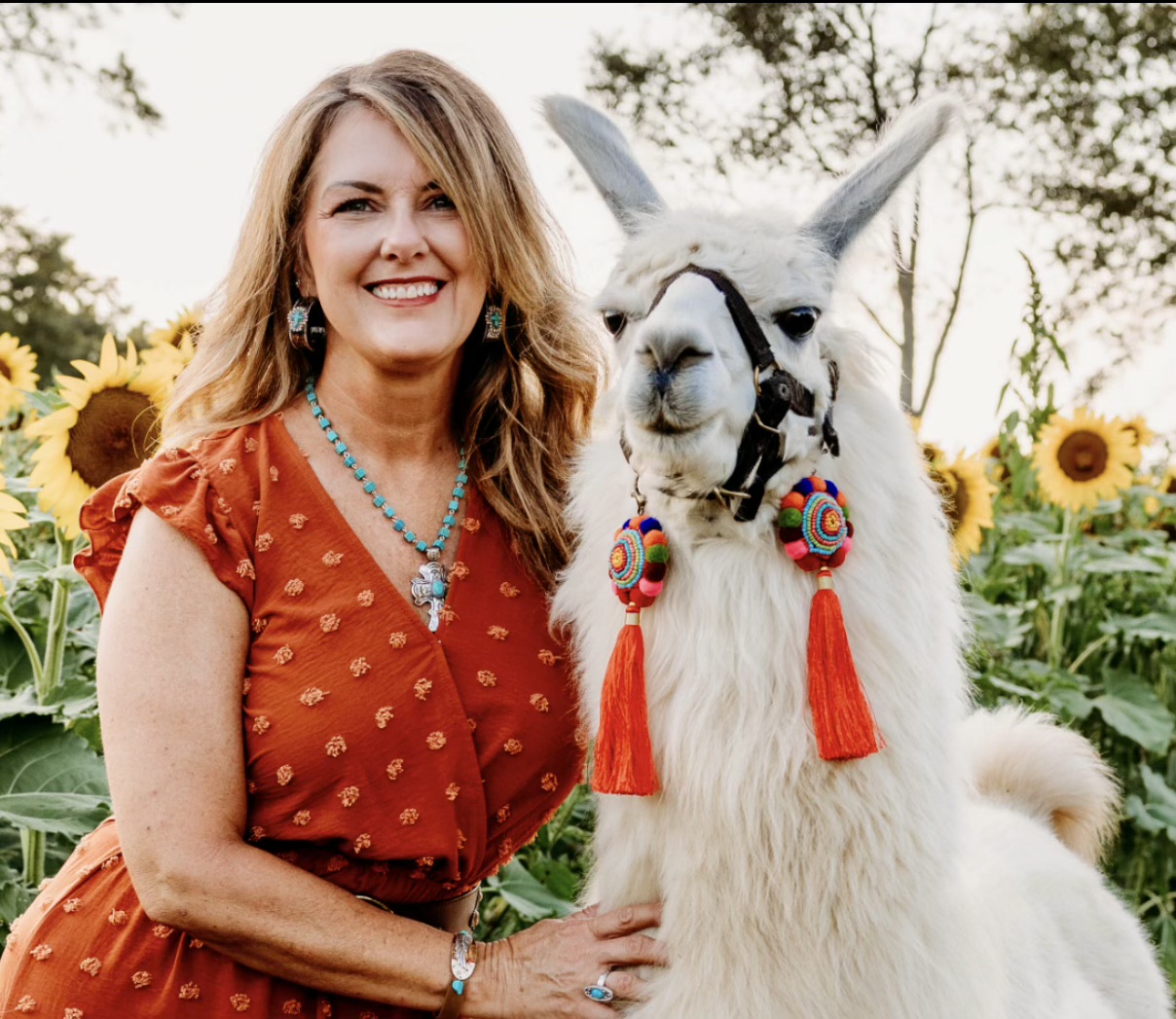
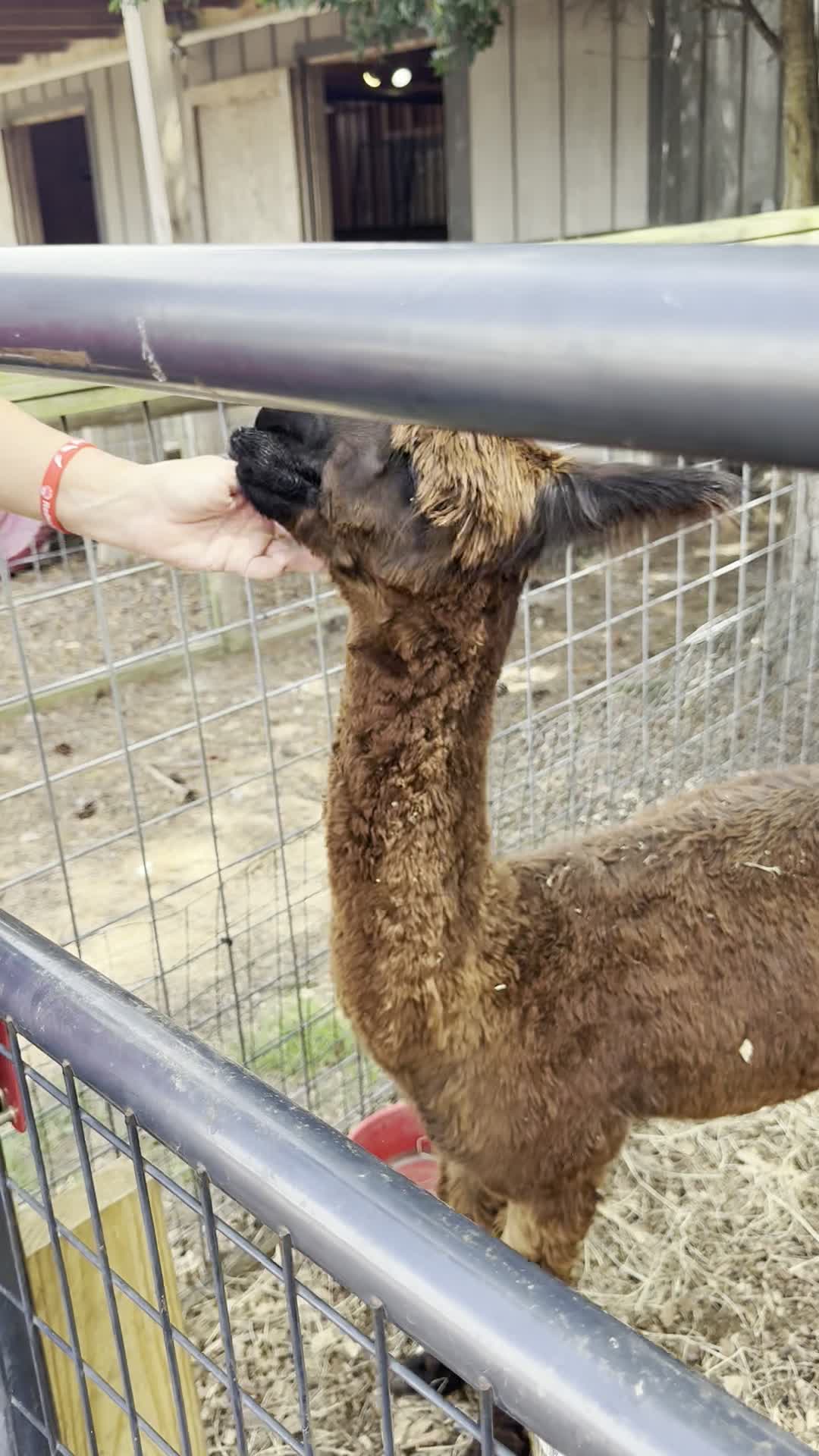
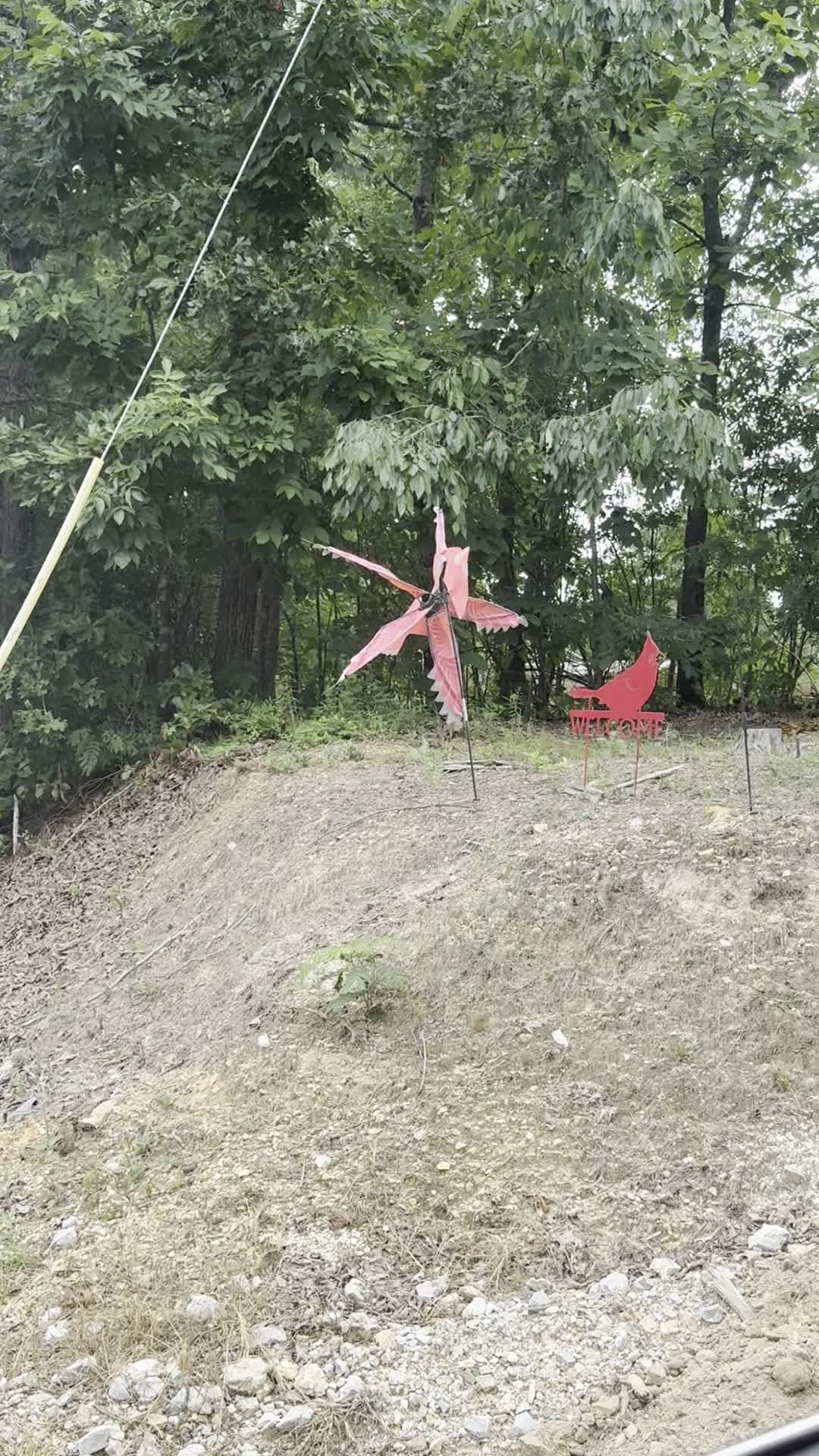
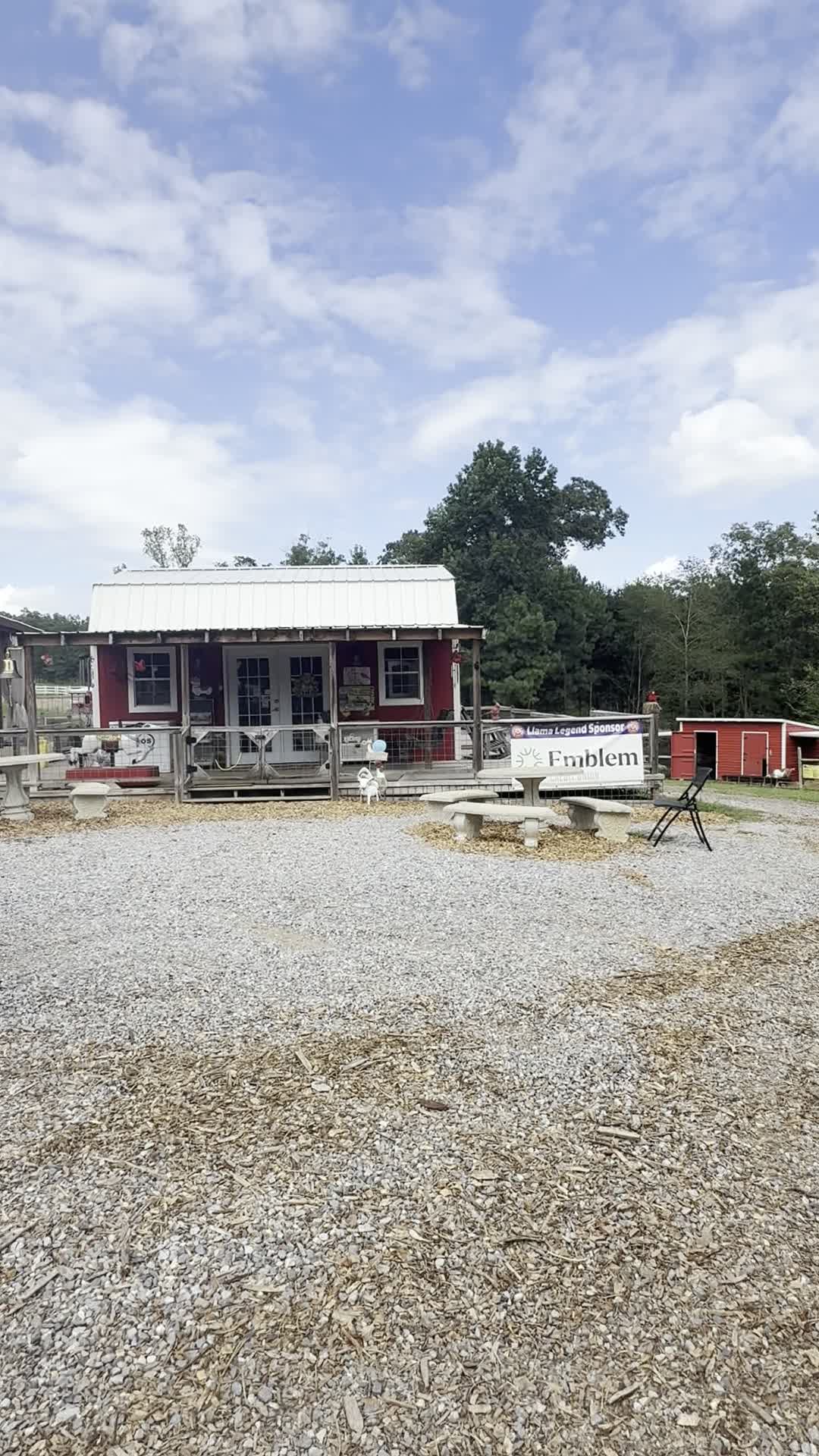
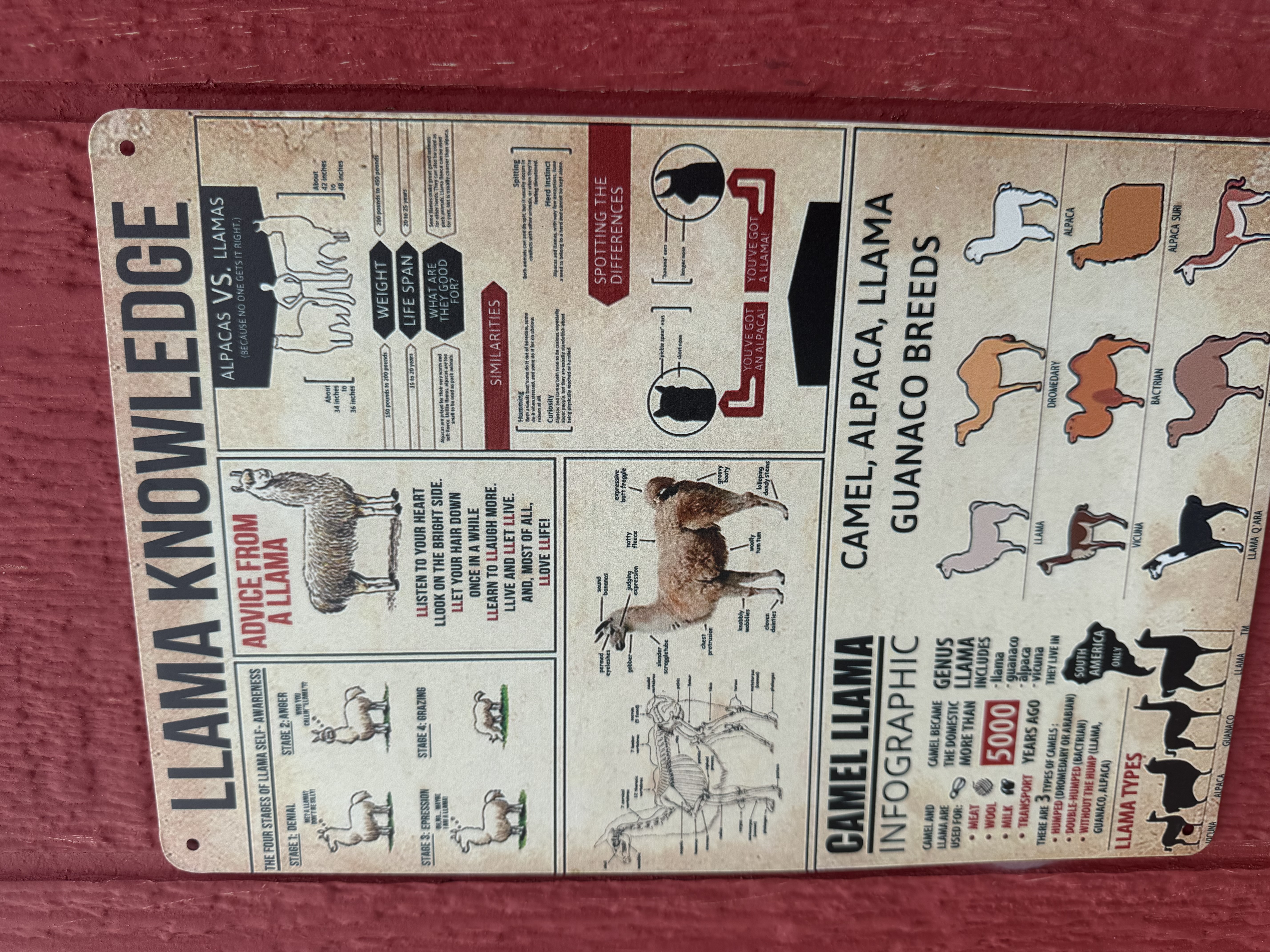
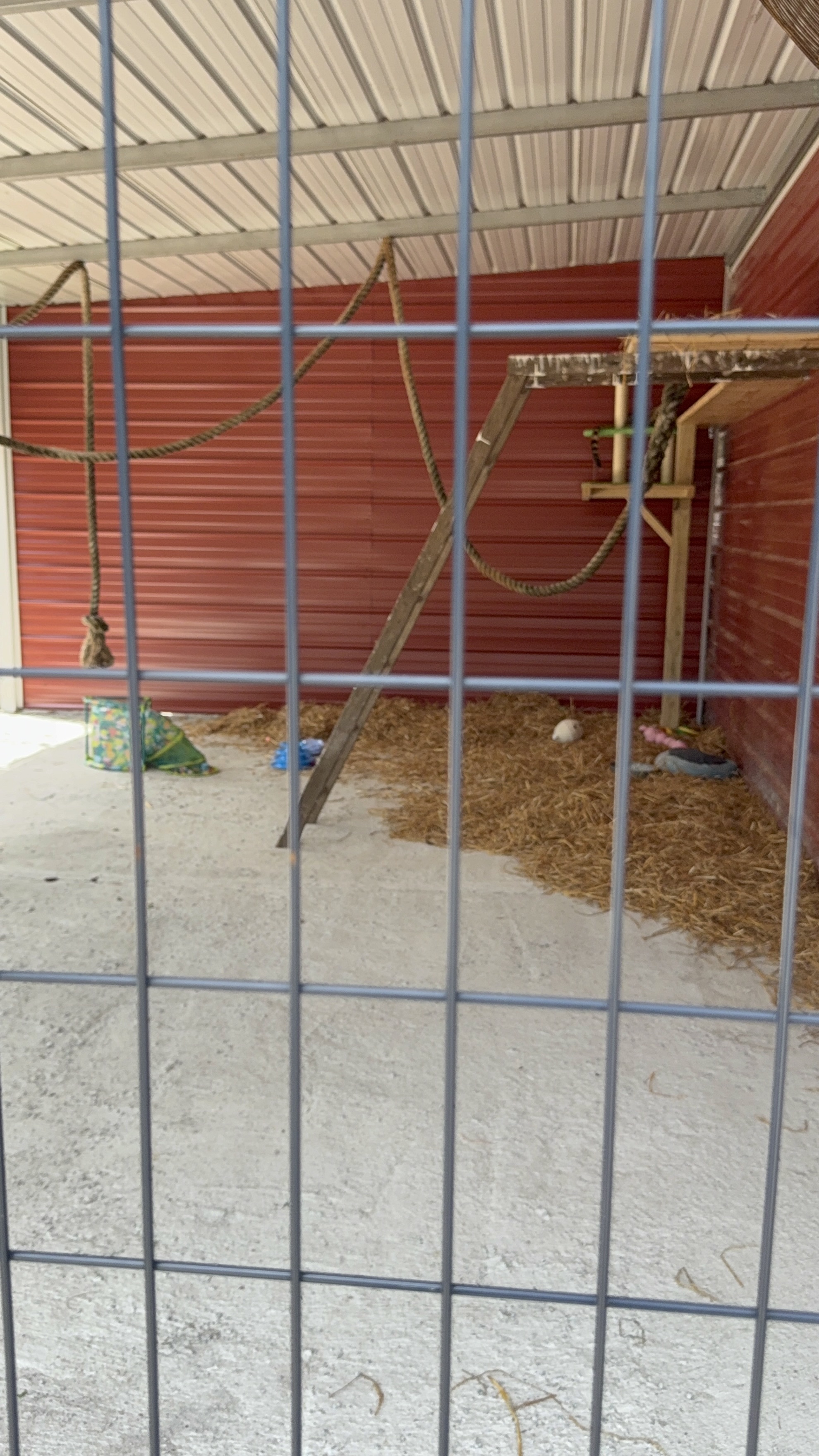
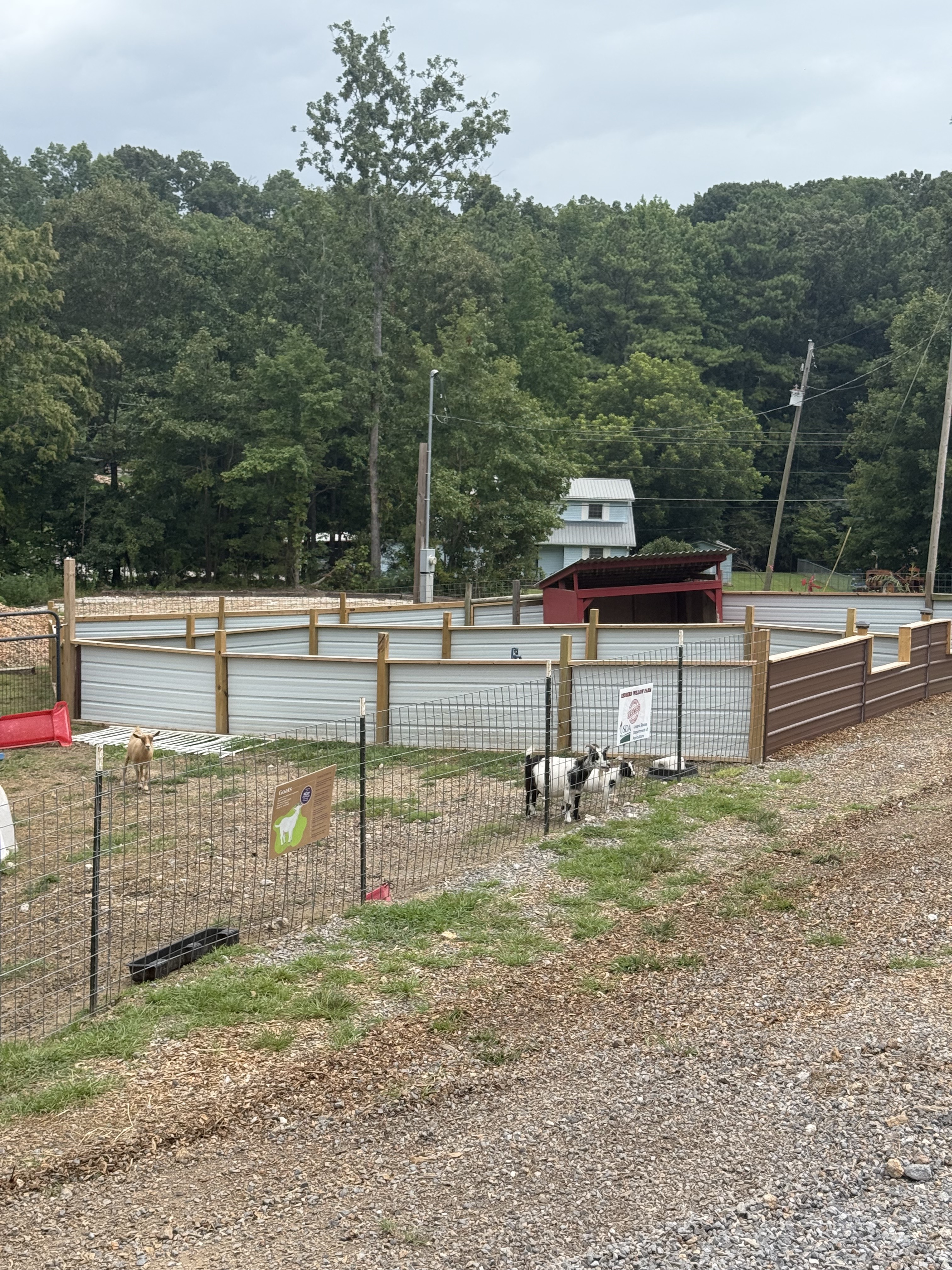
Michele is not trying to make anyone feel better. That's not quite right. She's trying to give people a place to feel what they feel. The farm doesn't fix anything. The willow tree doesn't fix anything. The llama named Justine doesn't fix anything.
But all three are still there. And the redbirds still come.
Ray put it this way: Our animals have caught millions of our tears and consoled us on our darkest days.
That's not a marketing line. That's a testimony.
Redbird Willow Farm is at 1103 Lenlock Lane in Anniston. You can book a visit at redbirdwillowfarm.com or call (256) 239-3067. They're a 501(c)3. Bring your kids. Bring your grief. The emu won't judge you.
Michele will show you the willow tree if you ask.
If you or someone you know is in crisis: call or text 988.
Read the full profile of Michele Hornsby and Redbird Willow Farm → the profile
Redbird Willow Farm's wedding llamas will be at The Aisle: Anniston Bridal Show on Sunday, October 18, 2026, at the Longleaf Event Center at Anniston Museums and Gardens.
Matt Headley is pastor of Ecclesia Community, a fresh expression of Christian community, and a flower farmer in Northeast Alabama. He runs Southern Legends and Gather Studio.
Watch
Redbird Willow Farm — on camera

Responses