



 Bridal ShowThe Aisle Bridal Show · Sunday, Oct 18 · Longleaf Event Center @ AMAG, Anniston · theaislebridalshows.comRegister free →
The day I auditioned for the Men's Chorale at Jacksonville State, Dr. Corbin had me sing down the scale. I hit a D below the bass clef staff and he turned to the bass anchor, the man already seated in the chair I was about to need, and said: "Move over."
Jason Wright moved. He laughed. No complaint, no staked-out territory, no performance of generosity. He just made room and went back to being who he had always been.
That was twenty years ago.
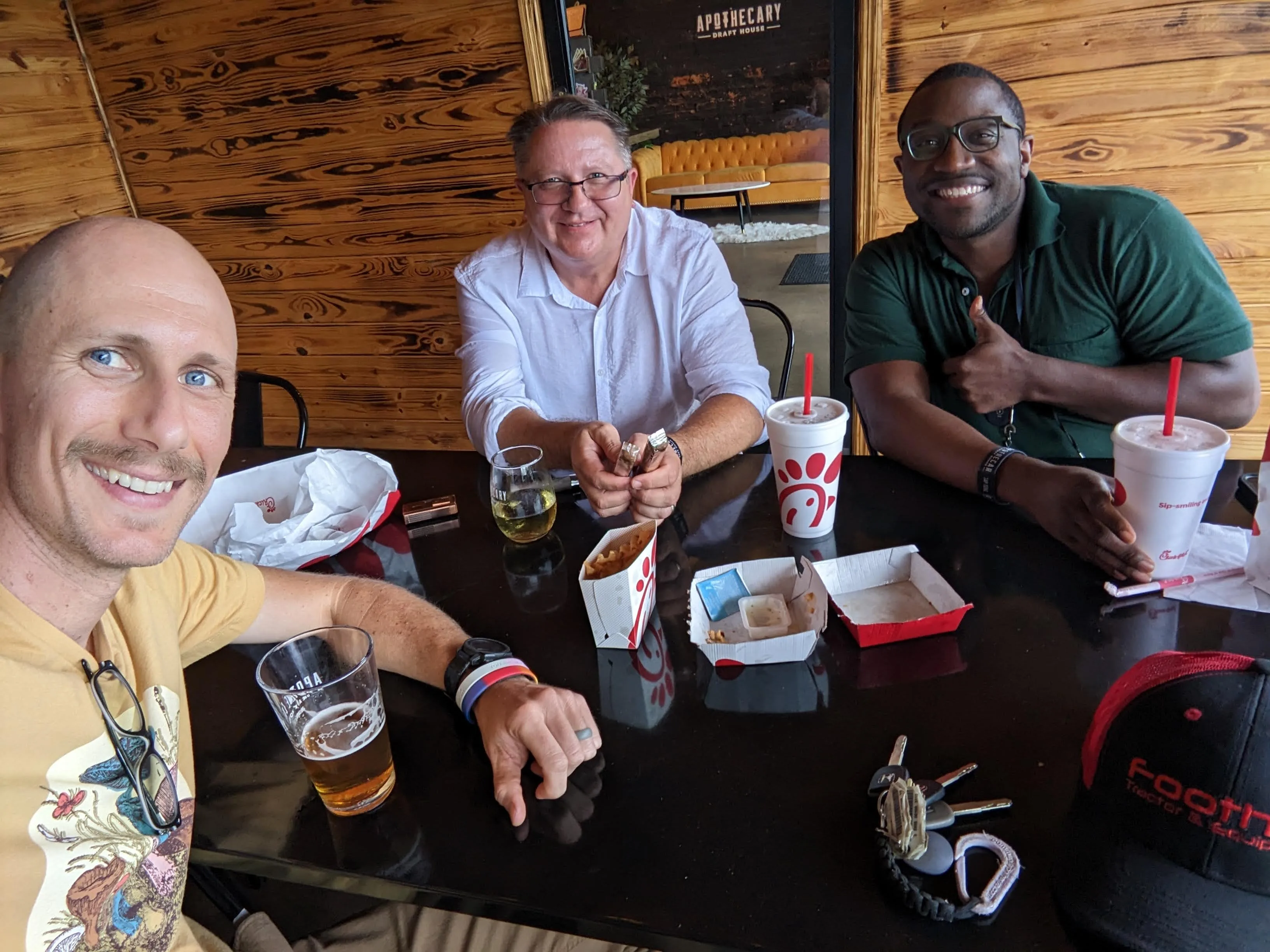
Jason and Matt. Twenty years of this. Photo via Jason's studio archive.
JSU Men's Chorale photos coming — share yours if you have them.
He just happened to be the kind of man who does not let a friend disappear.
Jason is a bass-baritone. He came into Anniston First United Methodist Church as a choir scholar under Kathy Murphy — years before I joined the staff — and eventually became the contemporary worship leader. He has been there for over a decade. He is there still.
He is also the theater director and art instructor at Piedmont High School, where he has been building something with students that does not have a clean category. He played the Father in Susan McCain's production of Sarah Ruhl's Eurydice — the man who waits in the underworld for his daughter and keeps forgetting why he is waiting. That is not a small role. He did it with students around him.
He has not chosen easier stories.
He also designed the production posters for several JSU Music Department shows — Pirates of Penzance, The Mikado, Hansel and Gretel. I did not know where those posters had gone. Then last week, Paul Sefcik — a JSU colleague who had kept them for ten years, meaning to frame them for me — handed them back. Worn. Wrapped in a rubber band. Ten years in storage and Paul had never thrown them away.
That is the kind of thing that happens around people like Jason. Other people hold onto the artifacts because they know something worth remembering happened.
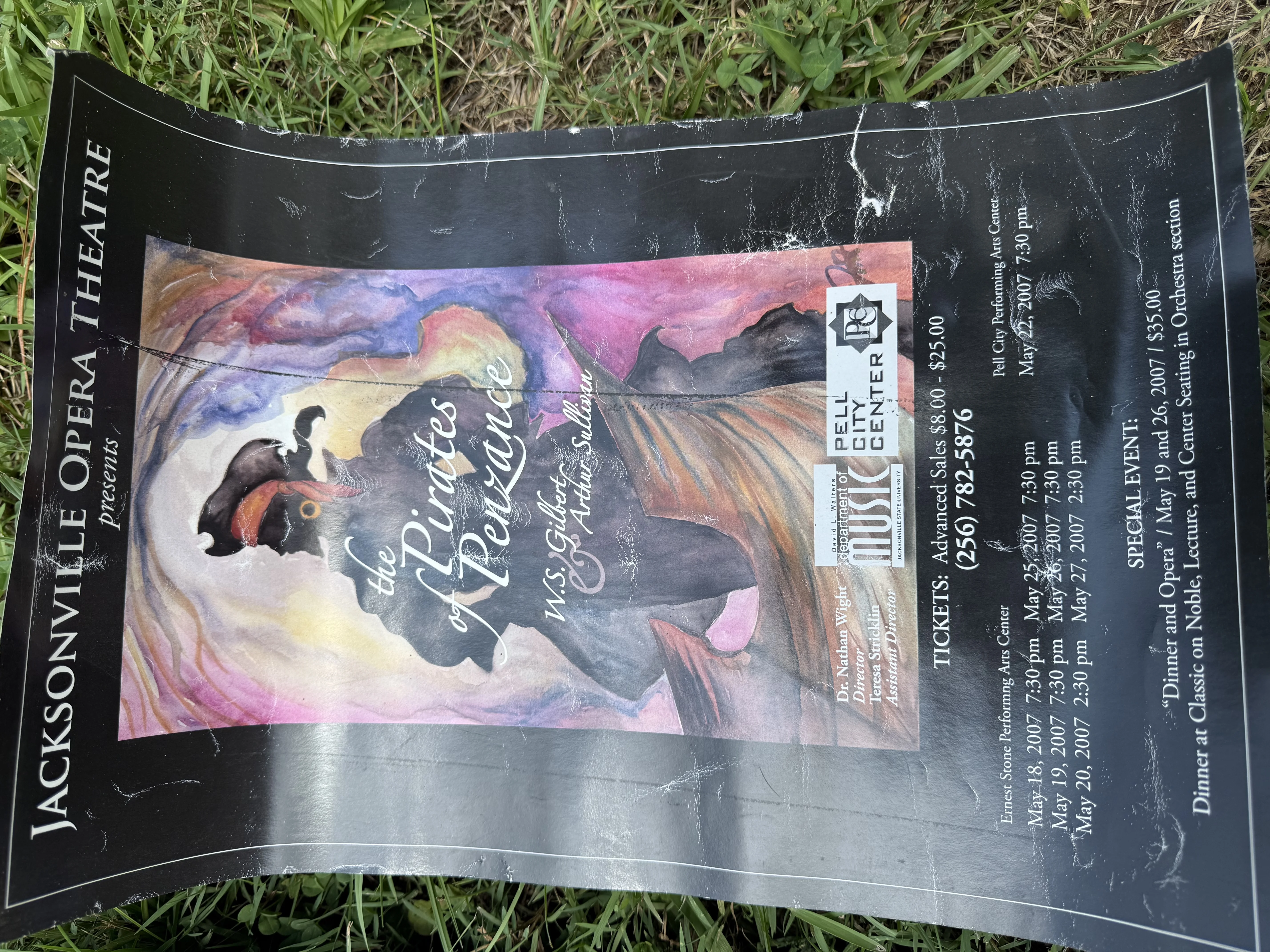
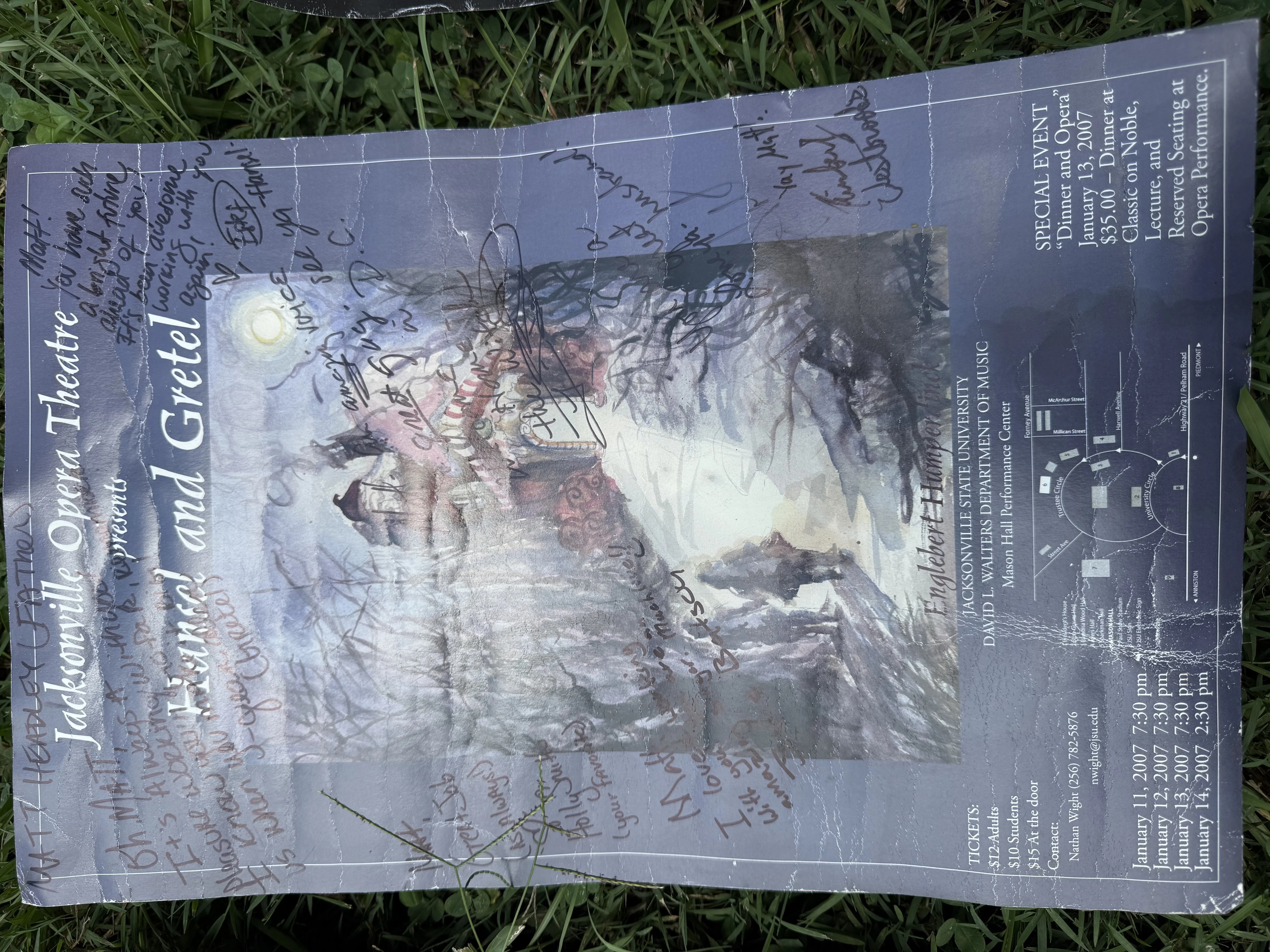
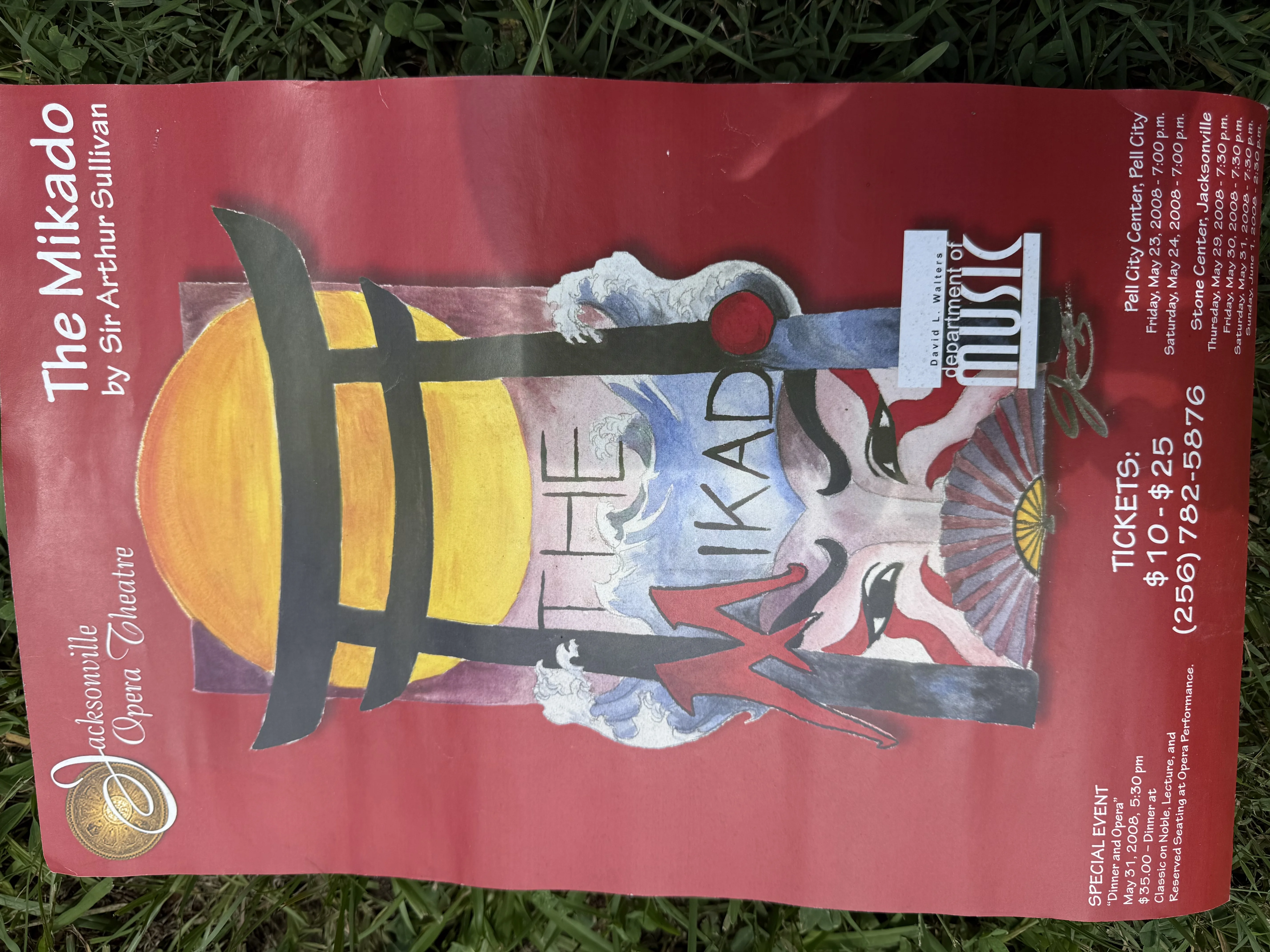
The three posters. All designed by Jason. The Hansel and Gretel one is covered in cast signatures — the whole cast signed it. Paul wrapped all three in a rubber band and held them a decade. They came back in July 2026.
He also designed the JSU homecoming banner every year for the competition. Won every time.
He and I lived at the JSU Wesley Foundation — that was our church, our community, the room we kept coming back to. He designed the banner for that too. He has always made beautiful things and handed them to rooms he cared about without making a production of it.
He is now faculty at JSU as well. Still there. Still in the room.
We worked together for years at Jacksonville State — he was the chorale treasurer, the steady bass section, the man in the room who kept things humming without announcing that he was doing it — and then both of us ended up at Anniston First United Methodist. He directed worship. I was eventually his direct supervisor for four years. I would have called him a friend before that. What the years in a church building together made us is harder to name.
During COVID, when I was leading online morning prayer at Weaver UMC on Facebook Live, Jason showed up every week. He told me later it sustained him spiritually during a hard stretch. I did not know he was there. He came anyway.
When I went through my first bipolar depression — before the diagnosis, before I had the words for what was happening — he was there. When I resigned in March 2025, manic and not yet knowing it, and spent the next months in a kind of clarity that turned out to be psychosis, he was there for that too.
Through both of those seasons — the depression that came first and the psychosis that came later — Jason was the only one who called every single week. He was my lifeline to the outside world. He prayed for me every day. He met with me several times when I was in no condition to be met with. He never gave up.
I was hiding. I was not responding to anyone. He kept calling anyway.
He was my lifeline to the outside world. He prayed for me every day. He never gave up.
He is not a therapist. He is not a pastor in any formal sense right now. He is a bass-baritone with a torn hamstring and a classroom full of teenagers who will not look up from their phones. He just happened to be the kind of man who does not let a friend disappear.
He eventually stepped into the Worship Arts Director role I had left. He did it without making it a statement about anything. He just did the work.
Last summer, I built him a website. We sat down on July 1st and talked about it. He told me he felt honored and relieved.
Relieved was the word that stopped me. Not excited. Not impressed. Relieved. Like something had been done that he had been waiting for without knowing how to ask.
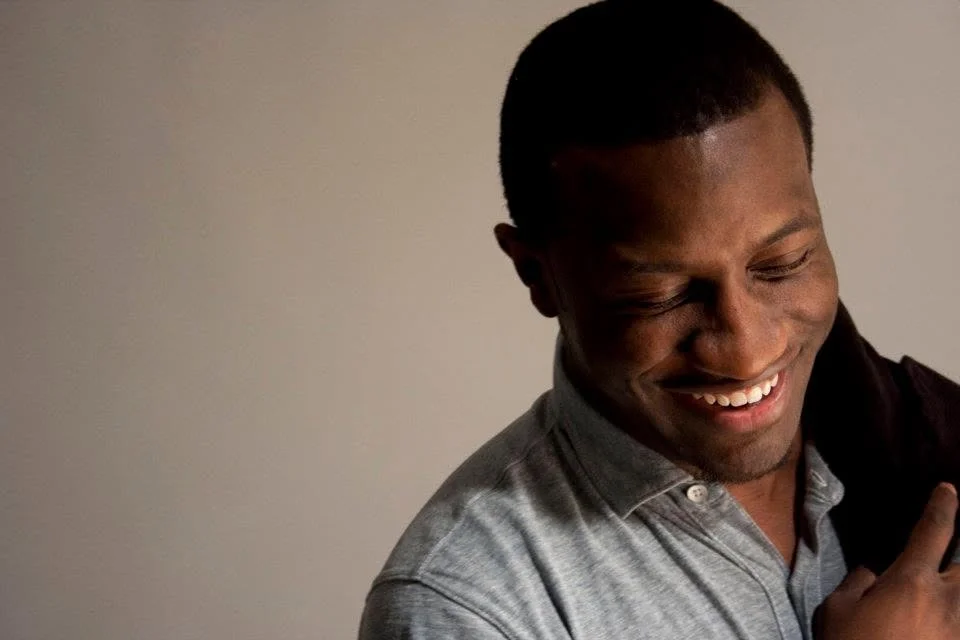
"You have a way of getting down to where the rubber meets with a person. You truly, at your deepest core, want to help people understand themselves — connect with what's really their identity. I felt seen. Not just served. That's why I trust you with it."
"We often try to be clever and to impress," he said. "And it's just coming from a place of fear and insecurity."
He was talking about how most people approach their public presence. But he was also naming the opposite of what it felt like to have something finally tell the truth about who you were.
I asked what that experience was like.
"You get the privilege of being known through your design," he said.
"You get the privilege of being known through your design."
The privilege. Not the convenience. Not the benefit. The privilege.
He said something else that stopped me. About how hard it is to see what you need inside your own work. "It's hard for you to see what you need inside of your own — like reading the label from inside a bottle. You have to — it's in the ground with me. You're drowning."
That is not a bad description of what a designer does. Or a friend. Or a pastor. You hold up the label for the person who cannot read it from where they're standing.
When I showed him the triskelion symbol I'd used — the triple spiral from the Newgrange menhir in Ireland, the three movements, place and pattern and people — he went quiet for a second. Then:
"Like the Wizard of Oz — like Dorothy and Scarecrow and Tin Man and the Lion. They are incomplete apart from each other. Together they are whole and they're the truest selves when they find their way. They're each other's guides. And the guide is the connection between them."
He paused. "It was like white — like fireworks coming off my brain."
He laughed. "I've totally run with it. Stole like an artist."
"It was like white — like fireworks coming off my brain."
He has a teaching philosophy he traces back to someone named Zism King. The essential and personal analysis. Take an object — any object — and exhaust your observations of it. What is it, physically? What does it smell like? What is it for? What does it remind you of? You go round after round until the literal runs out and the personal begins. That is where the scene lives.
I watched him do it with a bottle of apple juice on a café table. He went three minutes without stopping. Then: "It's full of its apple juice smell. No. It's just air." A pause. "Martinelli's, gold medal quality since 1868." He laughed. "Okay. What is it for? Refreshment. Water's for refreshment. Popsicles are for refreshing."
He teaches this to teenagers at Piedmont High School. They don't always know what they have.
The question at the heart of all of it, he said, is the same question Jesus kept asking: Who do you say that I am? "Sometimes people are just looking for answers, but oftentimes it's really being able to sit with the questions."
A good coach doesn't give you the answer. A good coach knows you well enough to ask the question you need.
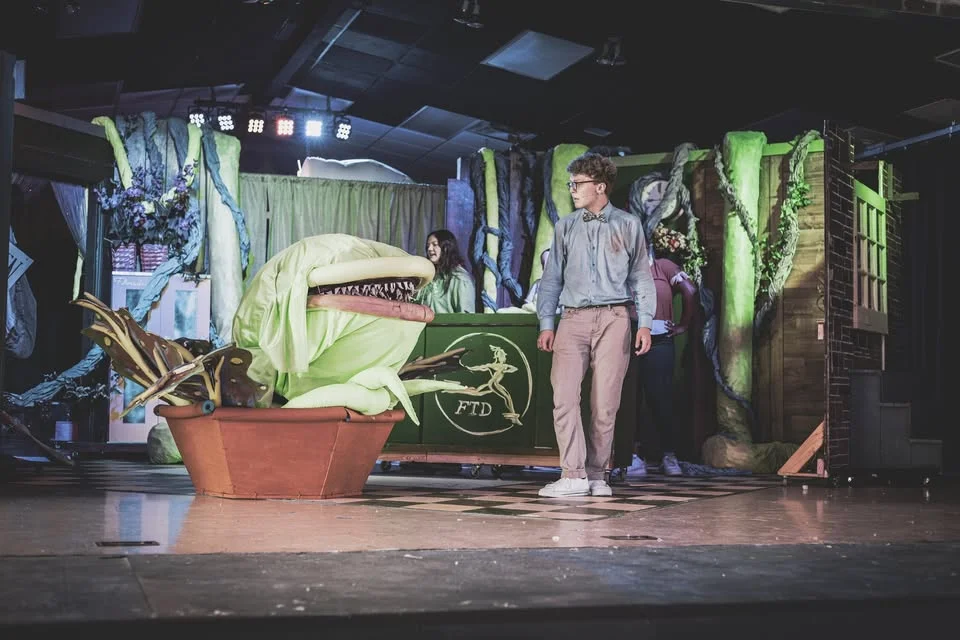
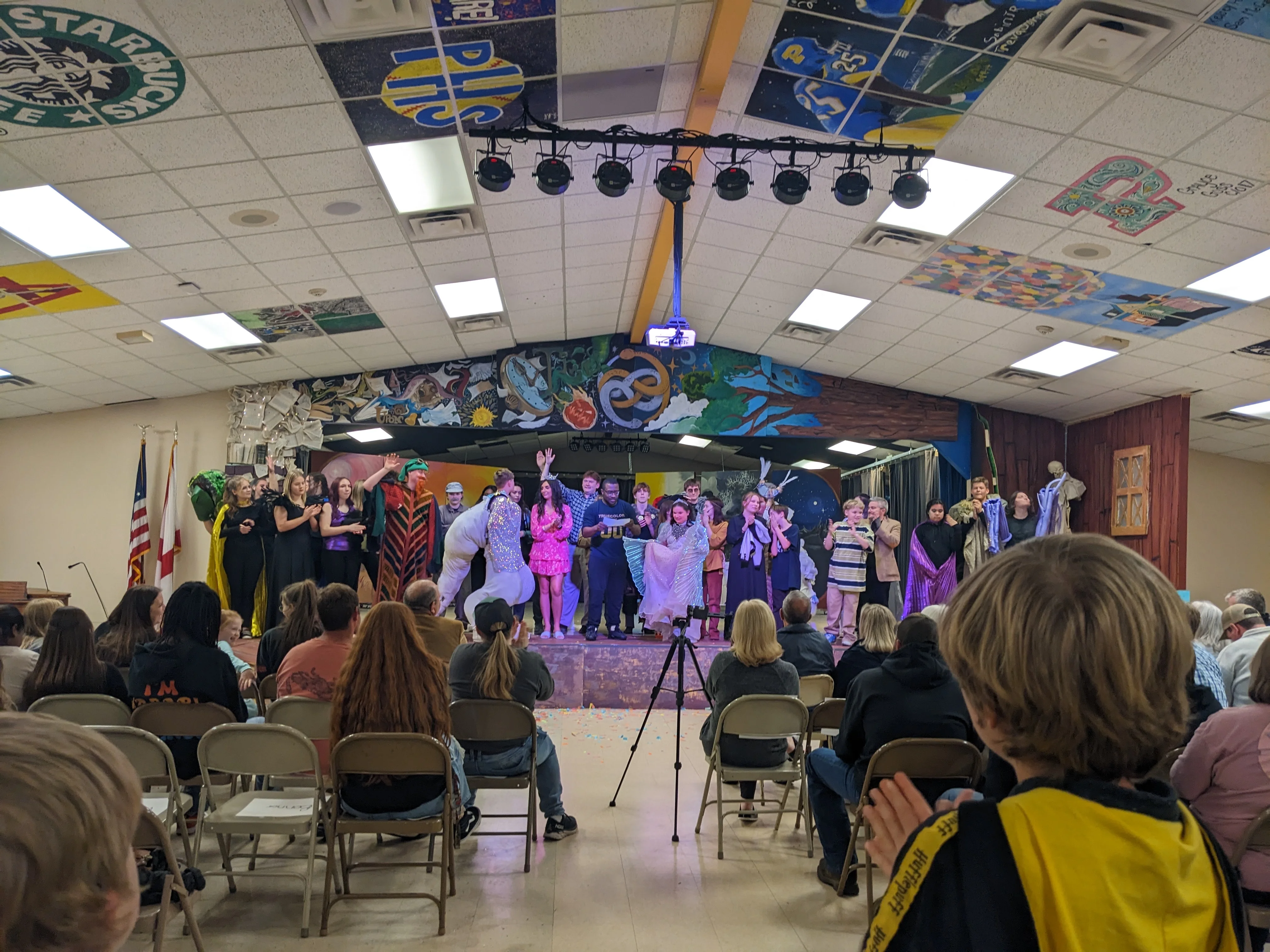
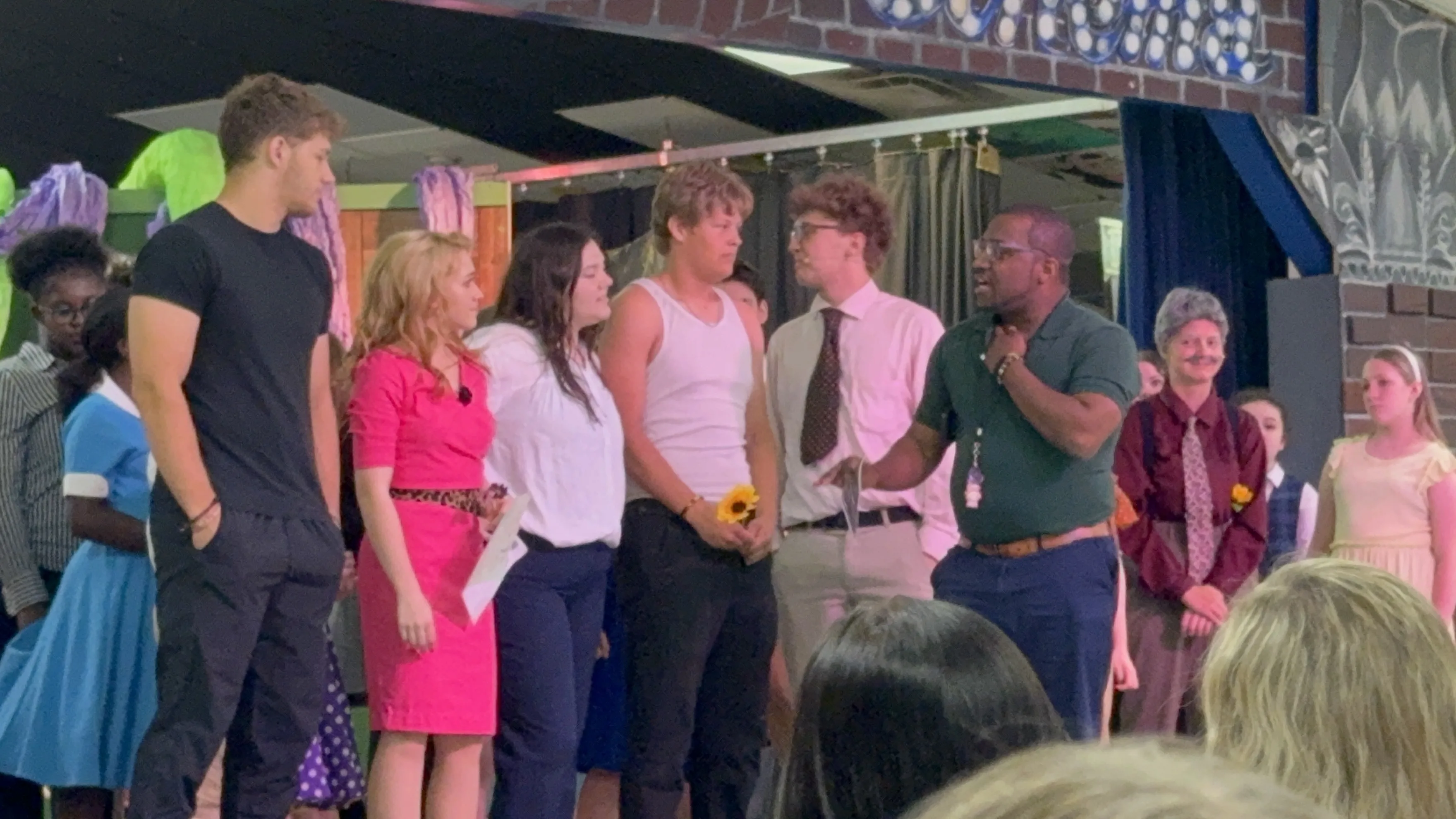
For five years now, he has given my whole family free premium seats to every Piedmont High School theatre production. All four of my kids. Every show. Front rows. He has never asked for anything in return.
The Piedmont Center Stage Society — ten years of this.

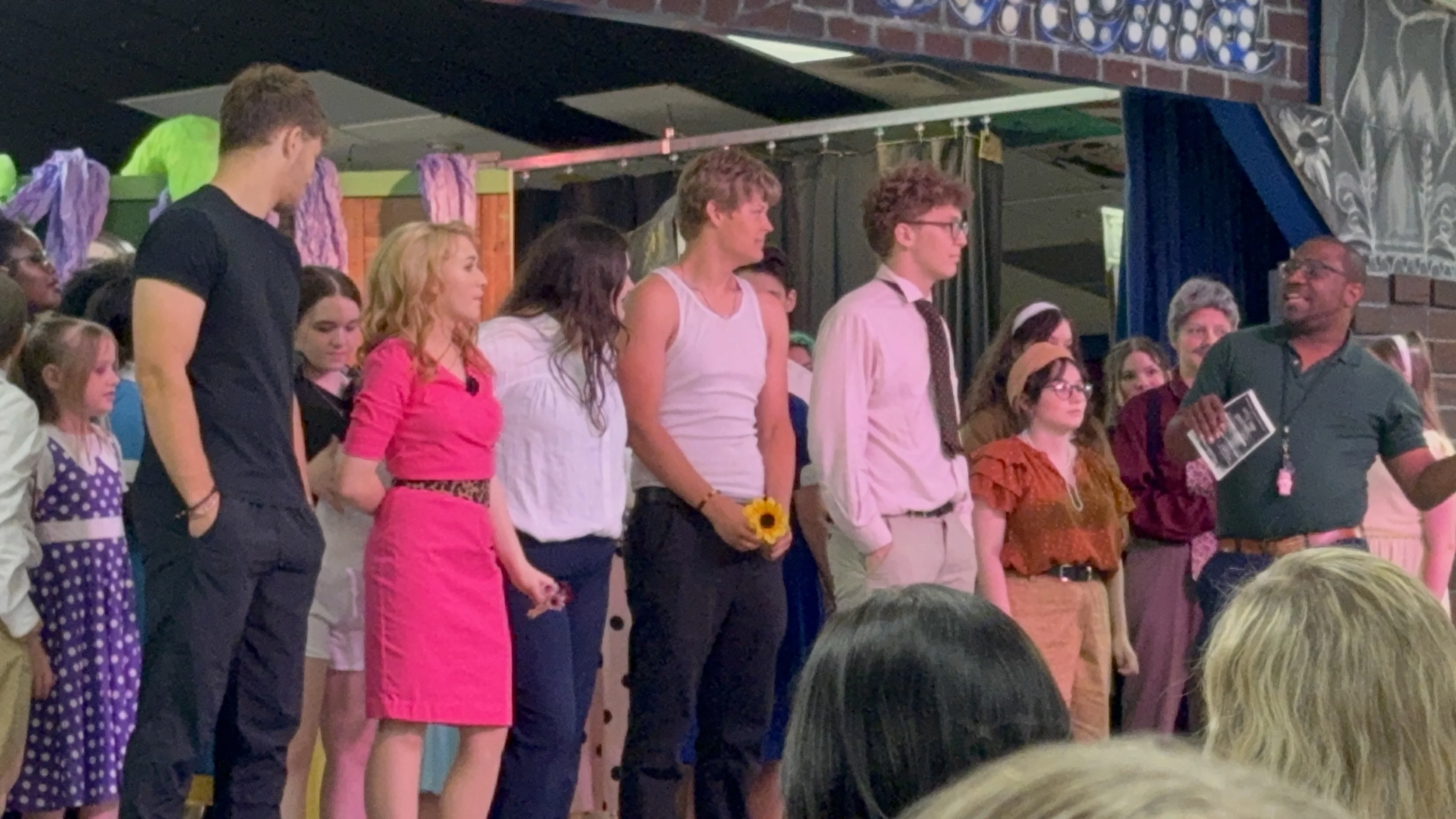
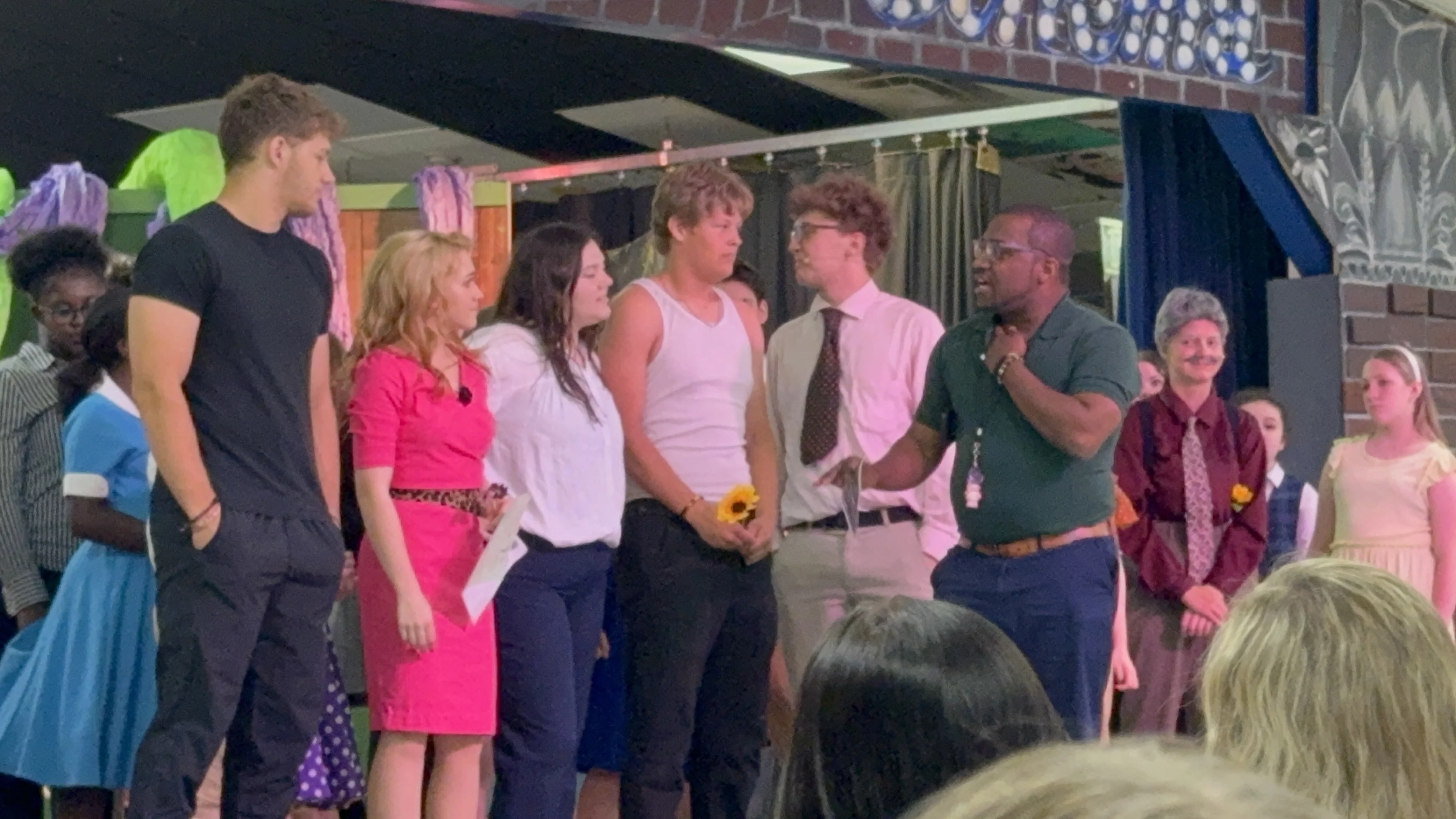
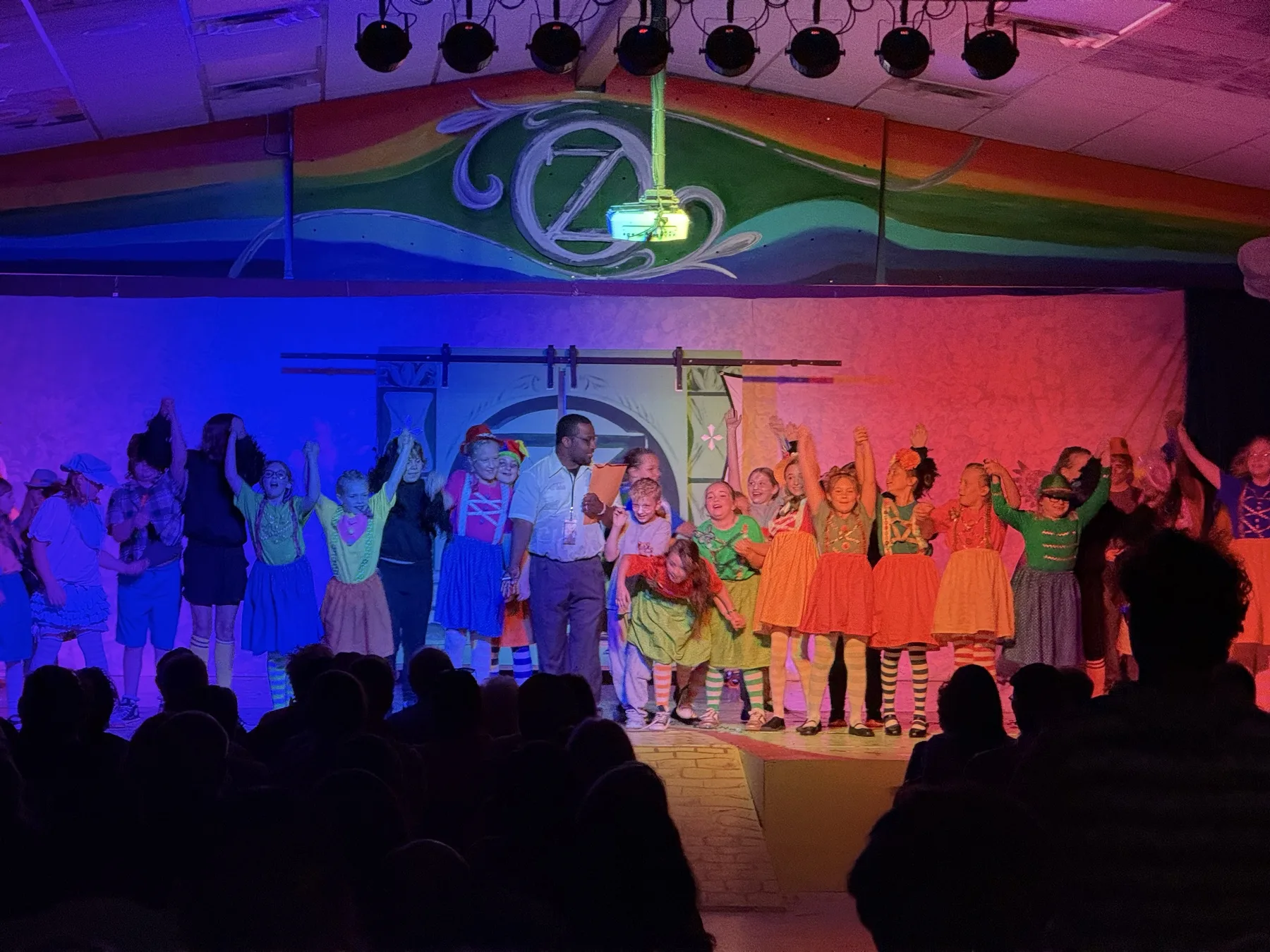


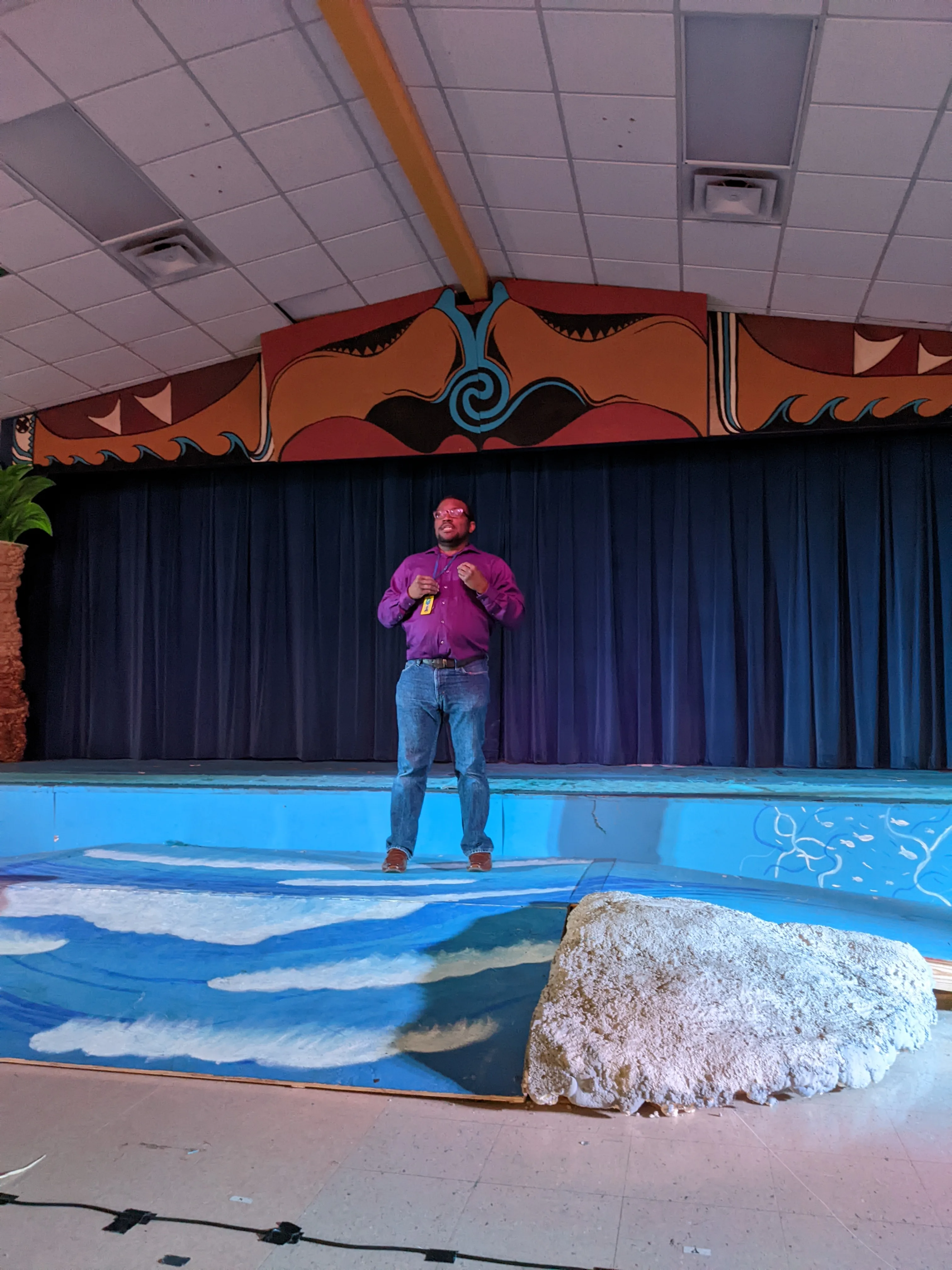
Piedmont Center Stage Society on Facebook →
There is a story involving a school field day, a foot race against his students, and a torn hamstring. He entered the race. He ran hard. He paid for it in his leg and won something harder to name. That is the whole Jason Wright story, really. He shows up. He competes. He does not complain.
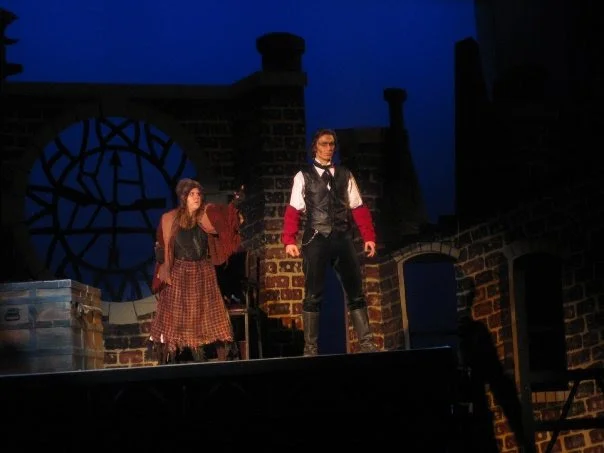
When Jason auditioned for Sweeney Todd at the Theatre of Gadsden this summer and got the title role, I told him: you have quite the legacy — half the students who auditioned were yours. He taught them. He put them on stages. Now they are auditioning for the same roles he is.
He wrote back: I'm so happy they could give you a little something to write about. The kids would be so humbled. Two of his students — Jojo, cast as Anthony Hope, and Gracie, cast as Joanna — will be in the show with him. I'm so proud of them, he said.
That is a strange and specific kind of success. It does not show up on a resume. It shows up in a room full of people who learned to be brave in front of an audience because he made it safe to try.
He has been making room and staying in the room for twenty years. That is not nothing. That is actually the whole thing.
Jason is a bass-baritone. He moves when told to move. He stays.
Jason Wright is the Worship Arts Director at Anniston First United Methodist Church and the theater director and art instructor at Piedmont High School. His studio site is at client-jason-wright.gatherstudio.app. Follow the Piedmont Center Stage Society on Facebook.
Matt Headley is the Founding Pastor of Ecclesia and the editor of Southern Legends. Tuesday morning prayer meets at Jacksonville First UMC at 6:30am. Jason will be there this week. Come if you want. Coffee after.
Southern Legends publishes profiles of people doing the work in Northeast Alabama. Write for us.




Responses